
Don't Face Mesothelioma Alone
Get your free guide to learning more about Mesothelioma and what to expect on your journey
Talk to a patient advocate now — free & confidential
Real people who’ve walked this road. No cost, no obligation.
📞 Call 1-800-877-6000Available 24/7 · Sponsored by Danziger & De Llano
“I was truly lost and did not know which way to go when I was diagnosed. Thankfully, your organization came to my rescue. The full information packet, as well as DVD’s, have helped me and my family understand this terrible cancer.”
Doug Dellinger

Mesothelioma Support
Mesocare is a support and resource center for individuals and families affected by mesothelioma. We bring together clear medical information, treatment overviews, exposure history guidance, and support resources to help you understand your options and plan next steps with confidence.
Updated regularly • No obligation to engage
Where would you like to start?
Four common starting points for caregivers and patients. Or call a Patient Advocate any time at 1-800-877-6000 -- free, confidential, no obligation.
Check Eligibility
Find out in under a minute if your family may qualify for compensation. No personal info required to start.
Start the Check →Find a Specialist
A second opinion from a mesothelioma specialist often changes the treatment plan. Here are the centers that run a dedicated program.
See the Centers →Financial Help
Walk through the three main paths to compensation -- trust funds, VA benefits, and named grants -- without legal jargon.
See Your Options →Caregiver Tools
Three interactive tools built for caregivers: appointment-question generator, treatment-discussion guide, and a printable checklist.
Open the Tools →Learn More About Mesothelioma

What is Mesothelioma?
Mesothelioma is a rare, aggressive cancer most often linked to asbestos exposure.
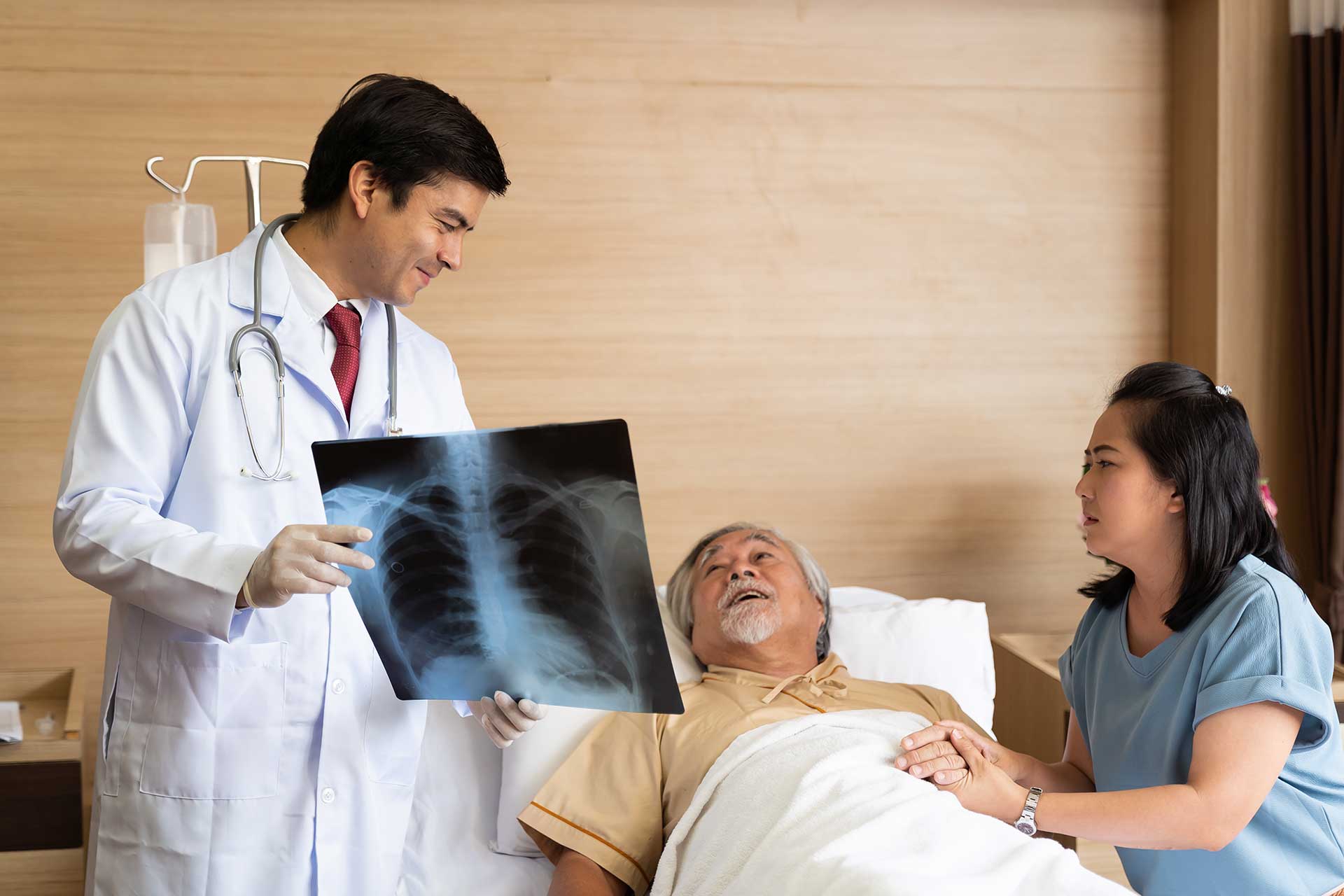
What Are My Treatment Options?
Treatment for mesothelioma often involves a combination of approaches tailored to the individual.
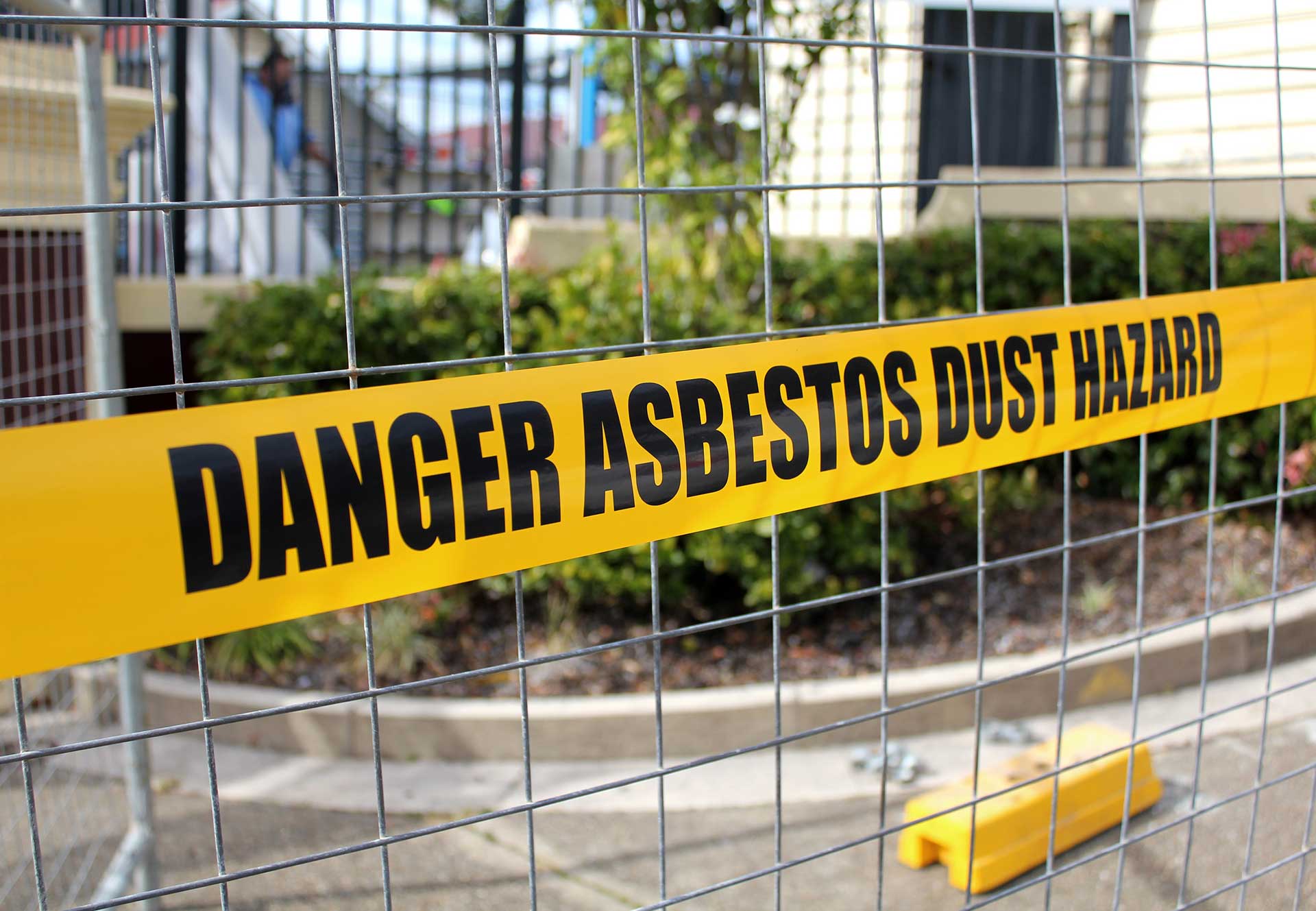
How is Someone Exposed?
Most cases of mesothelioma are linked to asbestos exposure that occurred years or even decades earlier.
See if you're eligible for compensation
Quick facts about mesothelioma
- About 3,000 new cases are diagnosed each year in the U.S. Source: American Cancer Society — Key Statistics for Mesothelioma.
- Mesothelioma has a latency period of 20 to 50 years between first asbestos exposure and diagnosis. Source: National Cancer Institute — Asbestos Fact Sheet.
- Asbestos exposure is the primary known cause of mesothelioma. Source: NCI — Malignant Mesothelioma Treatment (Patient PDQ).
- Pleural mesothelioma (lining of the lungs) accounts for roughly 75% of cases; peritoneal (lining of the abdomen) for most of the rest. Source: American Cancer Society — What Is Malignant Mesothelioma.
- Most cases occur in people exposed to asbestos at work — shipyards, construction trades, power plants, refineries, and military service are the most commonly linked occupations. Source: CDC / NIOSH — Asbestos topic page.
First steps after a mesothelioma diagnosis
Mesothelioma is rare enough that many patients see several clinicians before receiving a confirmed diagnosis. The first few weeks after diagnosis matter — not because any single decision has to be made instantly, but because some choices (specialist referral, records gathering, biomarker testing) open doors to better options down the line. Below is a practical checklist families have found useful. It is not medical advice.- Request a second opinion at a mesothelioma specialty center. High-volume centers see many cases per year and can confirm diagnosis, staging, and cell type — all of which shape treatment options. The NCI maintains a directory of NCI-designated cancer centers.
- Get copies of your pathology slides and imaging. You will need these for any second opinion or treatment planning consultation. Ask your diagnosing clinician’s office for biopsy slides, CT and PET scans, and recent bloodwork.
- Start a simple records folder. One place — physical or digital — for appointment notes, medication lists, contact numbers for each member of your care team, and your list of questions for the next visit.
- Ask about biomarker and genetic testing. Results can influence eligibility for immunotherapy, targeted therapy, and clinical trials. Your oncologist can explain what is appropriate for your specific case.
- Document your asbestos exposure history. Write down jobs, employers, dates, locations, and any known asbestos-containing products you worked with or around — even if details are incomplete. This information is useful for both medical care and for evaluating legal options.
- Connect with an oncology social worker or patient advocate. Most cancer centers have social workers who help with insurance navigation, travel assistance, co-pay programs, and caregiver support resources.
- Make a plan for the caregiver. Caregiver burnout is common and under-discussed. Organizations like the Family Caregiver Alliance and CancerCare’s caregiver support programs offer practical and emotional support for families.
Frequently asked questions
What is mesothelioma?
Mesothelioma is a rare, aggressive cancer of the mesothelium — the thin lining that surrounds the lungs (pleural mesothelioma), abdomen (peritoneal mesothelioma), or more rarely the heart (pericardial mesothelioma) or testicles. It is not the same disease as lung cancer. Most cases are caused by asbestos exposure and develop 20 to 50 years after initial exposure.
How common is mesothelioma in the United States?
About 3,000 people are diagnosed with mesothelioma each year in the U.S., according to the American Cancer Society. It remains rare relative to more common cancers, which is one reason diagnosis can be delayed.
What causes mesothelioma?
The overwhelming majority of cases are linked to asbestos exposure — most often occupational exposure that happened decades before diagnosis. Workers in shipyards, construction trades, power plants, refineries, and veterans of the U.S. Navy are among the groups most commonly affected. Secondary exposure (a family member bringing asbestos fibers home on clothing) is also a documented pathway.
Can mesothelioma be cured?
There is no standard cure for mesothelioma. However, some patients respond meaningfully to modern treatment, and multimodal care — combining surgery, chemotherapy, radiation, and in some cases immunotherapy — can extend life and improve quality of life. Research continues. Speak with a mesothelioma specialist about current treatment options and any relevant clinical trials.
What treatment options are available?
The main treatment categories are surgery (pleurectomy and decortication, or extrapleural pneumonectomy in select cases), chemotherapy, radiation therapy, immunotherapy, and clinical trials. Which combination is appropriate depends on stage, cell type, the patient’s overall health, and personal goals. The NCI Treatment PDQ is a good overview of standard options.
Are there legal options for people exposed to asbestos?
People diagnosed with mesothelioma may have legal options depending on where and how they were exposed. Common pathways include asbestos bankruptcy trust fund claims, personal injury lawsuits against manufacturers or former employers, and VA disability compensation for veterans exposed during military service. Time limits (statutes of limitations) vary by state and typically start from diagnosis. Consult a licensed attorney about your specific situation. This website does not provide legal advice.
Is MesoCare.org affiliated with a law firm?
MesoCare.org is sponsored by Danziger & De Llano, LLP, a law firm that represents individuals affected by asbestos exposure and mesothelioma. Sponsorship allows this site to remain free to use. Content on MesoCare.org is informational only. Submitting information through a contact form on this site does not create an attorney–client relationship and does not obligate any law firm to represent you. See our Sponsorship page for full disclosure.
Sources & editorial approach
This page compiles plain-language summaries from federal health agencies, peer-reviewed medical sources, and established cancer centers. We update content as new guidance and research emerges. MesoCare.org does not provide medical diagnosis or treatment — for personal care decisions, speak with your clinical team.
Primary sources
National Cancer Institute (NCI)
American Cancer Society
Mayo Clinic
CDC / NIOSH Asbestos topic
Sponsorship & transparency
MesoCare.org is sponsored by Danziger & De Llano, LLP, a law firm that represents individuals affected by asbestos exposure and mesothelioma. Content on this site is informational only and is not medical or legal advice. See our Disclaimer, Sponsorship, and Privacy Policy for details on how submitted information is handled and how this site is funded.
Listen: The MESO Podcast
Real stories and guidance from families who’ve faced mesothelioma: